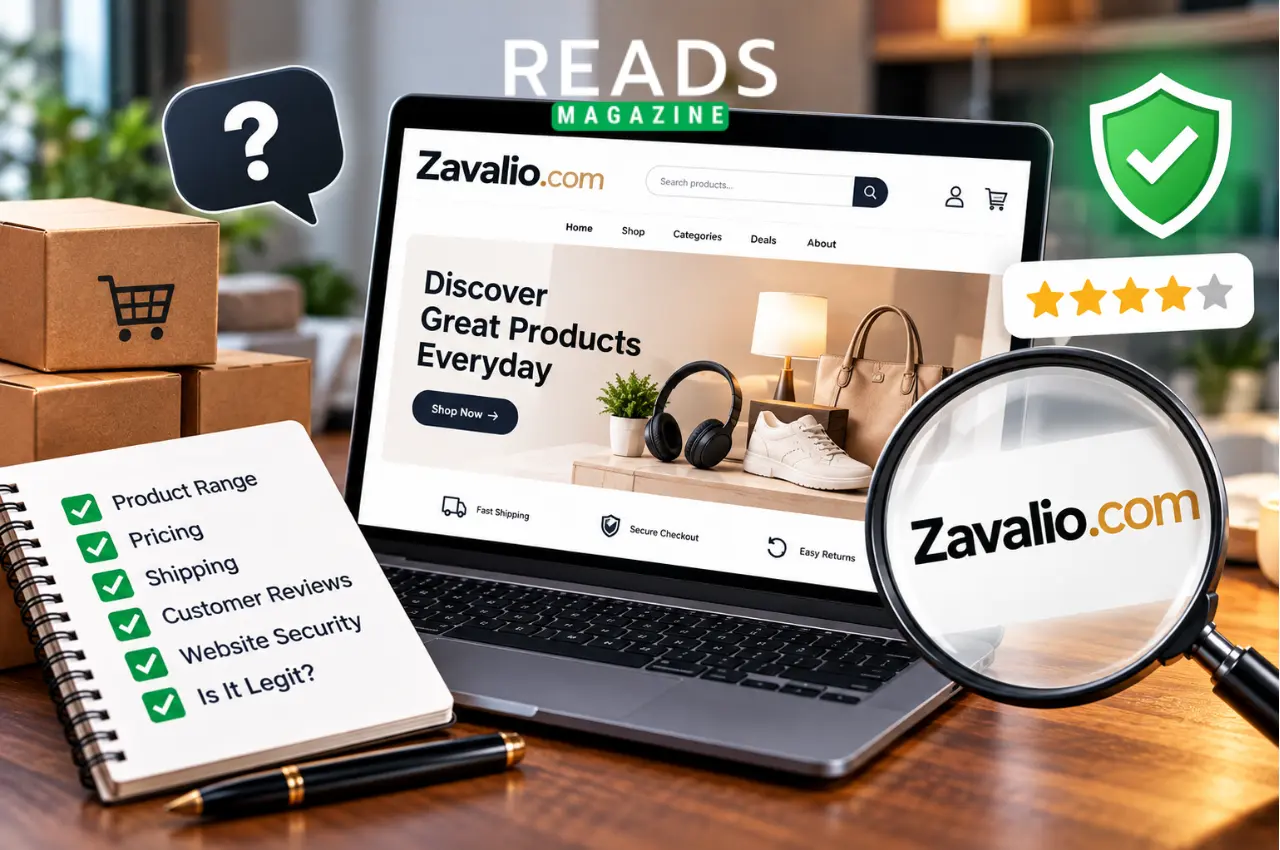
Zavalio.com is a genuine, functioning general-interest content website publishing articles across categories like business, finance, health, technology, and home improvement. It’s not a scam or malicious site, it’s a free-to-read blog built on standard WordPress software, with content credited mostly to a single listed author. That said, it’s worth knowing upfront that its articles read like mass-produced, generically titled content rather than specialized, deeply researched journalism, which shapes how much weight to give anything you read there.
Business, Finance, Law, Health, Technology, Home Improvement, Real Estate, Sports, Travel, Education, Entertainment, Fashion
Article volume (observed)
Business: 258+ articles; Health: 89+; Technology: 27+; Home Improvement: 15+
Primary credited author
Listed as “Alena” on most posts
Ownership transparency
Limited; no clearly identified founder or parent company
Guest posting
Yes, open submission page available
Malware/scam reports
None found
What Zavalio.com Actually Publishes
Browsing the site directly shows a standard content-farm-style structure: a homepage with trending posts, category pages, and a steady stream of articles across a wide spread of topics. Titles lean heavily on a repeated formula, phrases like “Unmasking,” “Decoding,” “Beyond the,” and “Unlocking” show up constantly across otherwise unrelated subjects, covering everything from cryptocurrency and VPN comparisons to wastewater treatment and pediatric healthcare choices.
This pattern, generic, formulaic titling applied uniformly across wildly different subject areas, is a common signature of high-volume, low-specialization content production. It doesn’t mean the site is dangerous, but it’s a reasonable signal that individual articles are likely written quickly and broadly rather than by subject-matter experts, regardless of topic.
Who Runs Zavalio.com?
Public information about ownership is limited. Most articles are credited to a single author name, and the site includes standard legal pages, a privacy policy, terms and conditions, a disclaimer, and a DMCA notice, but none of these identify a specific founder, publisher, or parent company by name. This isn’t unusual for smaller content operations, but it does mean there’s no clearly identifiable entity standing behind the site’s editorial choices beyond the credited author.
Is Zavalio.com Safe to Visit?
Based on direct access, the site loads normally over a standard secure connection and shows no signs of malicious behavior, unexpected redirects, aggressive pop-ups, or suspicious download prompts. It functions as an ordinary content website: no account creation is required to read articles, and there’s nothing about the browsing experience itself that raises red flags.
Safety and content reliability are two separate questions, though. A site being technically safe to visit doesn’t mean everything published on it is accurate, current, or authoritative, and given the generic, high-volume nature of the content, it’s sensible to treat individual articles as a starting point rather than a final word on any topic, particularly anything related to health, law, or finance.
What the Site Is Actually Useful For
Despite the generic tone, a general content site like this can have legitimate, modest uses:
A quick, plain-language starting point on an unfamiliar topic before digging into more specialized sources.
Casual browsing across a wide range of subjects without needing to visit several different specialized sites.
Free access without a paywall or required account, which lowers the barrier for a quick read.
Where it’s less suited is anything requiring genuine expertise or verification, medical decisions, legal questions, or significant financial choices are all better served by sources with clear professional credentials, editorial review processes, or regulatory backing.
Better Sources for Specialized Topics
If a specific subject matters enough to get right, it’s worth going to a source built specifically around that subject rather than a general-interest blog:
Health topics: Sources with clinical or medical review processes are considerably more reliable than general lifestyle blogs.
Financial and investing topics: Established financial education sites with named contributors and editorial standards offer more depth and accountability.
Technology troubleshooting: Dedicated tech sites with hands-on testing and specific, step-by-step guidance tend to be more useful than broad overview articles.
Legal questions: General content sites are not a substitute for actual legal counsel, regardless of how confidently an article is written.
A Practical Way to Use Sites Like This
Treat it as a first pass, not a final answer. Use it to get oriented on unfamiliar terminology or a general shape of a topic, then verify anything important elsewhere.
Check the byline and look for genuine expertise. A single generalist author covering everything from cryptocurrency to pediatric care to wastewater management is a signal to look further for anything specialized.
Notice the pattern in the writing. Repetitive, formulaic titles and a similar structure across unrelated topics is a sign of high-volume content production rather than deep subject expertise.
Cross-check any specific factual claim, a statistic, a legal point, a health recommendation, against an established, specialized source before treating it as settled.
Frequently Asked Questions
Is Zavalio.com a scam?
No evidence suggests it’s a scam or malicious site. It functions as an ordinary, free content blog. The more relevant caution isn’t about safety, it’s about the generic, broad nature of its content, which is better suited to casual reading than as an authoritative source.
Who owns Zavalio.com?
This isn’t clearly disclosed. The site credits most articles to a single author name and includes standard legal pages, but no specific founder, company, or publisher is named publicly.
Does Zavalio.com require an account or payment?
No. Articles are freely accessible without creating an account or paying a subscription fee.
Is the information on Zavalio.com reliable?
It varies, and the site’s own broad, generalist approach across dozens of unrelated subjects is a reasonable signal to treat any single article as a starting point rather than a definitive source, particularly for health, legal, or financial topics where accuracy matters most.
What’s a better alternative for financial or health information specifically?
For health topics, sources with clinical review processes are more reliable. For financial or investing topics, established financial education platforms with named, credentialed contributors offer more depth and accountability than a general-interest blog covering dozens of unrelated subjects.
The Fair Assessment
Zavalio.com is exactly what it appears to be: a real, functioning, free general-interest content site, not a scam, not malicious, but also not a specialized or particularly authoritative source on any of the many topics it covers. It’s a reasonable place for a casual, low-stakes read, and a less reasonable place to base an important health, legal, or financial decision. Knowing that distinction is really the whole answer to what this site is and isn’t good for.



















Comments are off for this post.