Blazertje is simply Dutch for “little blazer” or “blazer” said casually, built from the word “blazer” plus “-tje,” a diminutive suffix Dutch speakers add to countless nouns to make them sound smaller, softer, or more affectionate. It’s not an official fashion industry term for a distinct type of jacket with its own defined features. In everyday Dutch, someone might describe any blazer, cropped, oversized, formal, or casual, as a “blazertje,” the same way an English speaker might casually call a jacket “a little blazer” without meaning anything technical by it.
That said, there’s a real, useful fashion story underneath the word, since Dutch fashion, like fashion elsewhere, has genuinely moved toward lighter, softer, less rigidly structured blazers in recent years. Here’s the accurate picture of both the language and the style.
What “-tje” Actually Does in Dutch
Dutch diminutives are a genuine, extremely productive part of the language, not a rare or unusual construction. Adding “-tje” (or one of its variants, like “-je,” “-pje,” or “-etje,” depending on the word’s ending) to almost any noun creates a smaller, gentler, or more casual version of it. A few everyday examples: huis (house) becomes huisje (little house), kopje (little cup) from kop, and broodje (bread roll) from brood.
This pattern applies just as naturally to loanwords and modern vocabulary as it does to older Dutch nouns, which is exactly what’s happening with “blazer,” an English loanword that Dutch speakers have simply run through the same diminutive process. “Blazertje” is confirmed in genuine, casual native use, including in actual customer reviews on Dutch retail sites, where shoppers describe a “leuk kort blazertje” (“nice short blazer”) without implying any specific technical category beyond “blazer, but said casually.”
Why This Isn’t a Distinct Fashion Category
It’s worth being direct about this, since some online content describes “blazertje” as though it were an established product type with a fixed set of defining features, separate styles, and specific fabric rules, similar to how “bomber jacket” or “trench coat” refer to genuinely distinct garment categories.
That framing overstates what the word actually does. In real Dutch usage, “blazertje” doesn’t specify lighter construction, a particular fit, or a relaxed silhouette on its own, it can refer to a structured wool blazer, a cropped linen jacket, or a formal double-breasted piece, since the diminutive is about tone, not garment specification. Someone could just as easily call a heavy, formal blazer a “blazertje” affectionately. The word tells you the speaker’s tone, not the jacket’s construction.
The Real Style Trend Worth Knowing About
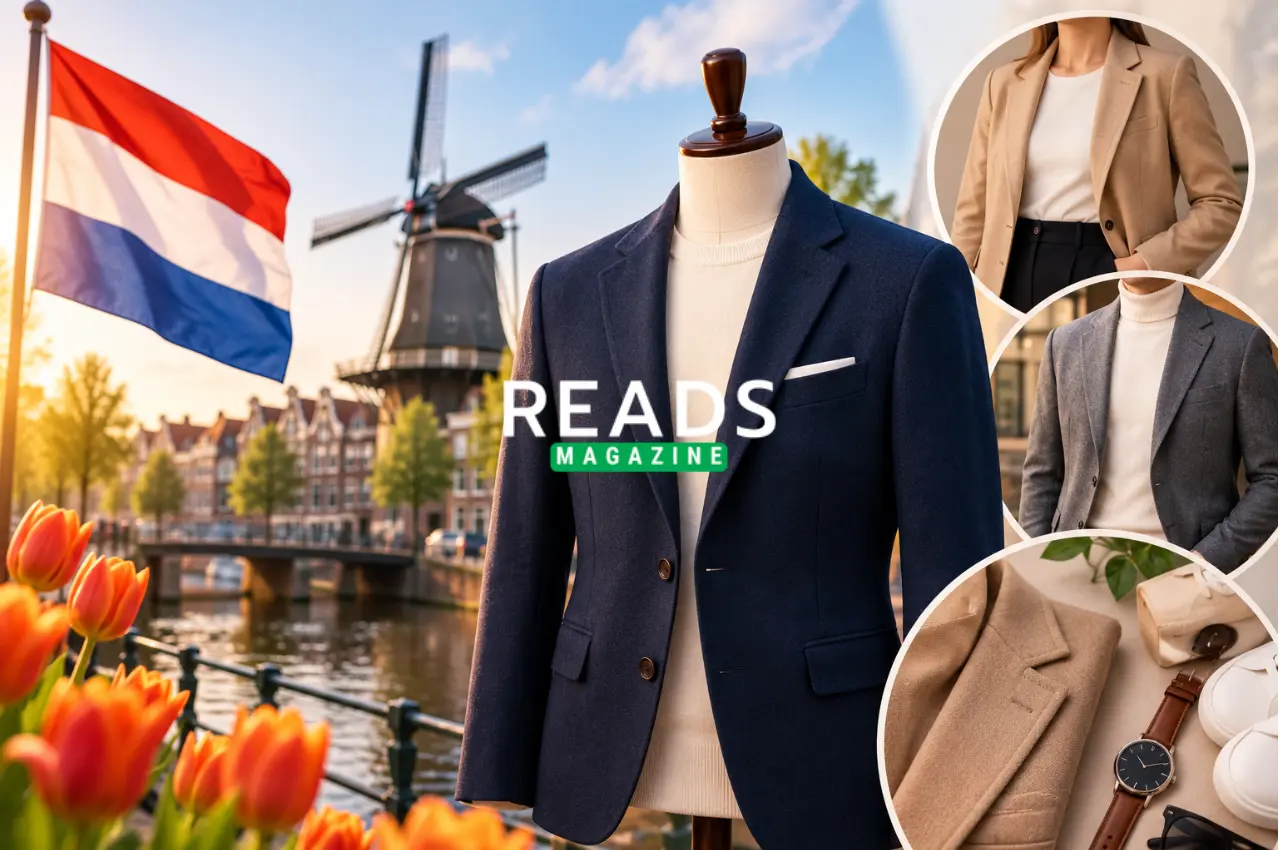
Even though “blazertje” itself isn’t the official name for it, there’s a genuine, well-documented shift in blazer design worth understanding if that’s what actually brought you here: a broad move toward softer, less structured, more versatile blazers that work for everyday wear rather than strictly formal settings.
Fashion coverage generally refers to this as the unstructured or deconstructed blazer trend, characterized by lighter interior construction (less or no shoulder padding, minimal lining), softer fabrics, and a more relaxed fit compared to traditional tailoring. It’s become a genuine wardrobe staple precisely because it splits the difference between a full suit jacket and a casual layer.
Fabrics Commonly Used
- Cotton blends, durable and practical for regular wear across seasons
- Linen, lightweight and breathable, popular for spring and summer despite wrinkling more easily
- Lightweight wool, offering warmth for cooler months while keeping a refined look
- Blended and recycled fabrics, increasingly common as sustainable fashion grows
Popular Silhouettes
- Cropped, ending above the hip, often paired with high-waisted bottoms
- Single-breasted, the most versatile option for both office and casual wear
- Double-breasted, slightly more structured and formal despite the softer fabric
- Oversized or relaxed-fit, popular for a casual, streetwear-influenced look
- Longline, extending past the hip for a more elongated silhouette
How to Style a Lightweight, Casual Blazer
For a casual look: pair it with a plain T-shirt, jeans, and clean sneakers for a relaxed but put-together outfit.
For smart-casual: combine it with chinos or tailored trousers, a button-down shirt or fine-knit sweater, and loafers.
For a feminine silhouette: try it over a dress, midi skirt, or high-waisted trousers, cropped styles in particular pair well with high-waisted bottoms for a balanced proportion.
For layering in cooler weather: wear it over a lightweight sweater or turtleneck, since the softer, less padded construction makes layering considerably more comfortable than with a heavily structured blazer.
Accessories: keep them simple, a watch, minimal jewelry, a leather belt, or a classic bag complements the look without competing with it.
READ ALSO : Babeltee: Is It a Real Drink, or Just Inconsistent Claims?
When to Wear One
A softer, unstructured blazer suits a genuinely wide range of situations: business-casual offices, dinners, family gatherings, and travel, where a lightweight, less structured piece packs and wears more comfortably than a heavily padded traditional blazer. It’s generally not the right choice for strictly formal or black-tie occasions, which still call for traditional structured tailoring.
Caring for a Lightweight Blazer
- Check the care label first, since fabric composition varies significantly and dictates the safest cleaning method.
- Steam rather than iron where possible, since steaming removes wrinkles with less risk of flattening softer fabrics.
- Use a padded hanger to help the shoulders keep their shape during storage.
- Dry clean wool pieces if the label recommends it, rather than risking a home wash.
- Store linen in a breathable garment bag to reduce moisture buildup between wears.
Frequently Asked Questions
Is “blazertje” an official fashion term?
No. It’s a normal Dutch diminutive, “blazer” plus “-tje,” and functions the way calling something “a little jacket” would in English. It doesn’t refer to one specific, standardized style of blazer with fixed features.
Does “blazertje” always mean a lightweight or casual blazer?
Not necessarily. While it’s often used casually, and casual usage does tend to describe more relaxed pieces, the diminutive itself doesn’t guarantee a specific construction. A Dutch speaker could technically call a fully structured, formal blazer a “blazertje” too, especially in casual conversation.
What’s the actual name for the lightweight, unstructured blazer trend?
Fashion coverage typically calls this the unstructured or deconstructed blazer trend, characterized by softer fabrics, minimal internal padding, and a more relaxed fit than traditional tailoring.
Can a lightweight blazer be worn year-round?
Yes, with the right fabric choice. Linen suits warm weather, cotton blends work across most seasons, and lightweight wool provides enough warmth for cooler months while keeping a refined, less bulky look than a heavier traditional blazer.
Is an unstructured blazer appropriate for the office?
Generally yes, particularly in business-casual environments. A single-breasted or slim-fit style in a neutral color paired with tailored trousers reads as professional while remaining more comfortable than a fully structured blazer.
The Accurate Takeaway
“Blazertje” is genuine, everyday Dutch, a diminutive that softens the word “blazer” the same way countless other Dutch nouns get softened, not a distinct, officially defined fashion category. If what actually interests you is the lighter, less structured blazer trend that’s become a genuine wardrobe staple, that trend is real and worth knowing about, it’s just more accurately called an unstructured or deconstructed blazer, with “blazertje” simply being how a Dutch speaker might refer to any blazer in casual conversation.


















Comments are off for this post.